Cardiac arrest is one of the most sudden and life-threatening medical emergencies a person can experience. Unlike a heart attack, which may develop over minutes or hours, cardiac arrest occurs abruptly when the heart stops beating effectively, immediately cutting off blood flow to the brain and other vital organs. Understanding this condition is critical, as rapid recognition and action can make the difference between life and death. According to the American Heart Association, over 350,000 out-of-hospital cardiac arrests occur each year in the United States alone, highlighting the importance of public awareness and preparedness.
What Is Cardiac Arrest?
Cardiac arrest occurs when the heart’s electrical system malfunctions, causing the heart to quiver erratically or stop beating entirely. This condition prevents oxygen-rich blood from circulating through the body, leading to loss of consciousness and cessation of breathing within seconds. If untreated, cardiac arrest can result in death in minutes. Because the brain and other organs are extremely sensitive to oxygen deprivation, immediate intervention is critical. Every second matters, making quick CPR and defibrillation essential for survival.
What Causes Cardiac Arrest?
The causes of cardiac arrest can be divided into heart-related and non-heart-related factors. Heart-related causes often include coronary artery disease, heart attack, heart failure, or life-threatening arrhythmias like ventricular fibrillation. Non-heart-related causes may include severe trauma, drowning, respiratory failure, or electrolyte imbalances. Certain underlying medical conditions, such as diabetes, high blood pressure, or a history of previous cardiac events, can increase the likelihood of cardiac arrest. Recognizing these causes helps both healthcare providers and the public identify individuals at higher risk.
Cardiac arrest is more common than many people realize, with prevalence varying across populations and geographic regions. Adults over 40, particularly those with pre-existing heart disease, are at higher risk. Men are slightly more likely to experience cardiac arrest than women, and survival rates can vary depending on access to immediate medical care, the presence of bystanders trained in CPR, and the availability of defibrillators. Understanding how widespread cardiac arrest is emphasizes why CPR training and public access to AEDs are so important.
How Common Is Cardiac Arrest?
A common misconception is that cardiac arrest and a heart attack are the same, but they are different events. A heart attack, or myocardial infarction, occurs when blood flow to a portion of the heart is blocked, causing damage to the heart muscle. Cardiac arrest, on the other hand, is an electrical problem where the heart suddenly stops pumping blood effectively. While a heart attack can sometimes trigger cardiac arrest, not all heart attacks result in sudden cardiac death. Understanding this distinction is vital for responders and bystanders, as it affects the type of emergency care needed.
What Are the Risk Factors for Cardiac Arrest?
Risk factors for cardiac arrest include both modifiable and non-modifiable elements. Modifiable risk factors include smoking, obesity, high cholesterol, lack of exercise, and excessive alcohol consumption. Non-modifiable factors include age, family history, and genetics. Medical conditions such as coronary artery disease, heart failure, previous arrhythmias, or structural heart abnormalities can also increase risk. Awareness of these factors allows individuals and healthcare providers to implement preventive strategies that reduce the likelihood of a life-threatening event.
Can You Survive Cardiac Arrest?
Survival after cardiac arrest depends heavily on immediate response. Overall survival rates for out-of-hospital cardiac arrest remain low, averaging around 10%, but early CPR and defibrillation can significantly improve outcomes. The American Heart Association emphasizes the Chain of Survival, which includes early recognition and calling 911, immediate high-quality CPR, rapid defibrillation, advanced life support, and post-resuscitation care. Individuals who receive timely intervention are more likely to survive and regain meaningful neurological function. Life after cardiac arrest often involves rehabilitation, medications, lifestyle changes, and ongoing cardiac monitoring to prevent recurrence.
First Aid for Cardiac Arrest
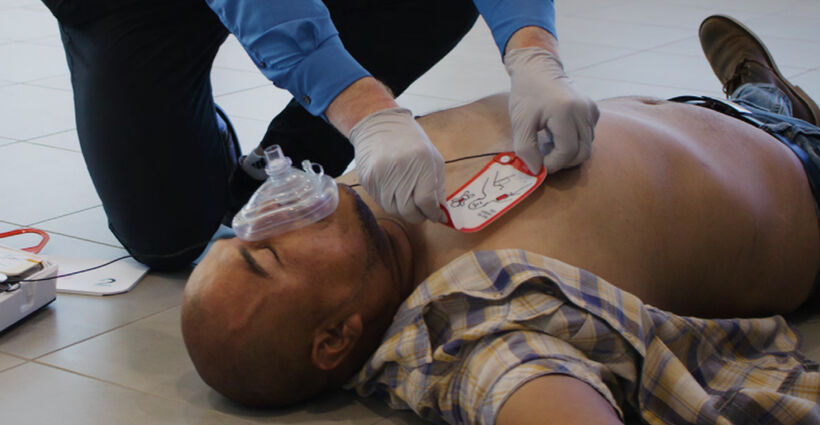
First aid for cardiac arrest starts with recognizing the signs. Sudden collapse, unresponsiveness, abnormal or absent breathing, and no detectable pulse are key indicators. Immediate action is critical. Step one is to call 911 and activate emergency medical services. Step two is to begin CPR immediately, providing high-quality chest compressions to maintain circulation. Step three is to use an AED as soon as it becomes available, following the device prompts carefully. These actions maximize the patient’s chances of survival before professional help arrives.
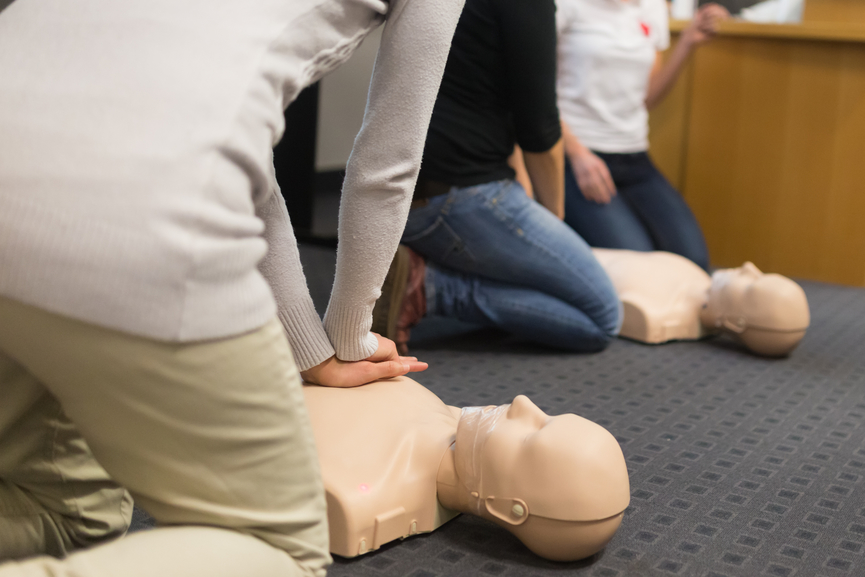
Performing CPR correctly is essential. For adults, place the heel of one hand on the center of the chest, interlock fingers, and compress at least two inches deep at a rate of 100 to 120 compressions per minute. For children, compress about two inches deep using one or both hands, depending on size. For infants, use two fingers to compress about 1.5 inches deep. Allow full chest recoil after each compression, and if trained, provide rescue breaths in addition to compressions. Consistency, depth, and speed are key for effective CPR.
There are also things you should not do during cardiac arrest. Do not delay calling for help while attempting to assess the situation. Do not remove bystanders from assisting unless safety is an issue. Avoid pausing compressions unnecessarily, as interruptions reduce the effectiveness of CPR. And do not attempt complex interventions unless you are trained and equipped to do so. Following these guidelines ensures that care remains focused, effective, and safe.
FAQs About Cardiac Arrest
- What’s the difference between cardiac arrest and a heart attack? A heart attack occurs when blood flow to part of the heart is blocked, usually by a clot, damaging the heart muscle. Cardiac arrest happens when the heart suddenly stops beating effectively due to an electrical malfunction. While a heart attack can lead to cardiac arrest, they are distinct conditions. During cardiac arrest, the person becomes unresponsive and stops breathing normally, requiring immediate CPR.
- Can cardiac arrest happen to young, healthy people? Yes, cardiac arrest can affect anyone at any age, though it’s less common in young people. Causes in younger individuals may include undiagnosed heart conditions like hypertrophic cardiomyopathy, congenital heart defects, or electrical abnormalities. Athletes can experience cardiac arrest due to commotio cordis (a blow to the chest) or underlying conditions. This is why CPR training is valuable for everyone, regardless of age.
- How long do you have to save someone in cardiac arrest? Brain damage can begin within 4-6 minutes without oxygen, and death can occur within 8-10 minutes. Every minute without CPR and defibrillation reduces survival chances by 7-10%. This narrow window makes immediate action critical. Starting CPR right away and using an AED as soon as possible dramatically increases survival rates.
Conclusion and Call to Action
Cardiac arrest is a life-threatening emergency that demands immediate action. Understanding what it is, recognizing the signs, and knowing how to respond can mean the difference between life and death for someone you love. While cardiac arrest strikes without warning, you don’t have to feel helpless when it happens.
Ready to become someone’s lifeline? CPR Jacksonville, FL, offers American Heart Association-certified training that prepares you to act confidently in emergencies. Our hands-on, stress-free BLS classes in Jacksonville, FL, and CPR certification in Jacksonville, FL, courses provide the skills you need to save lives. Whether you’re a healthcare provider needing renewal or someone who wants to protect their family and community, we offer BLS for Healthcare Providers, ACLS, PALS, and CPR and First Aid courses designed to fit your needs.
Don’t wait until it’s too late. Enroll today at CPR Jacksonville, FL, and gain the confidence to act when seconds count.