A heart attack, also known as a myocardial infarction, occurs when blood flow to part of the heart becomes blocked, depriving the heart muscle of oxygen. This lack of blood flow can cause permanent damage within minutes, making fast recognition and action critical. Understanding how long a heart attack lasts, what symptoms to look for, and what to do during an emergency can make the difference between life and death. This article explores the timeline of a heart attack, explains what happens if treatment is delayed, and outlines immediate steps to take if you or someone nearby shows warning signs.
Understanding Heart Attack Duration
Although people often imagine a heart attack as a sudden, dramatic event, the truth is that symptoms can begin subtly and then escalate. Because of this, many individuals mistakenly wait to see if the discomfort passes, losing valuable time. Throughout this article, you will learn why every minute matters, how to identify both common and less obvious symptoms, and how to provide first aid until professional help arrives.
How Long Does a Heart Attack Last If Untreated?
When discussing how long a heart attack lasts, it is important to understand that symptoms may build gradually or come on suddenly. A typical heart attack can last for several minutes and may come and go. However, the underlying blockage does not resolve on its own. The pain or pressure may ease temporarily, but the heart muscle continues to suffer damage until blood flow is restored. Some people experience ongoing chest discomfort for 10 to 15 minutes, while others may endure symptoms for hours. Regardless of duration, any episode of chest pain or pressure lasting more than a few minutes should be considered a medical emergency.
Understanding Heart Attack Duration
The critical time window during a heart attack is extremely short. Heart cells begin to die within 20 to 30 minutes of losing oxygen. The longer the blockage persists, the more extensive the damage. Treatments like clot-busting medications and emergency procedures such as angioplasty are most effective when performed as early as possible. This period is often referred to as the golden hour of heart attack care because receiving treatment within the first hour significantly improves survival and long-term recovery.
How Long Does a Heart Attack Last If Untreated?
If a heart attack goes untreated, the situation becomes far more dangerous. The untreated timeline typically begins with mild symptoms, which may include chest tightness, discomfort in the arms or back, or shortness of breath. As hours pass, the heart muscle continues to deteriorate. Some individuals may collapse suddenly due to dangerous heart rhythms like ventricular fibrillation. In severe cases, a fatal cardiac arrest can occur. This is why waiting it out is never an option. Heart attacks do not resolve on their own, and delaying care dramatically increases the risk of permanent disability or death.
How Do I Know If I’m Having a Heart Attack?
Recognizing the signs of a heart attack is crucial. Classic symptoms include chest pain or pressure that feels like squeezing, fullness, or heaviness. This can radiate to the jaw, neck, back, or arms. Shortness of breath, nausea, sweating, and lightheadedness are also common. However, not all heart attacks follow the same pattern. Less common symptoms may involve unusual fatigue, mild back pain, or indigestion-like discomfort. Women and older adults, in particular, may experience subtler symptoms that are easily dismissed. Understanding the range of possible signs helps prevent dangerous delays in seeking treatment.
How Can I Rule Out a Heart Attack at Home?
Sometimes it can be difficult to distinguish a heart attack from other conditions such as acid reflux, anxiety, or muscle strain. While these issues can mimic certain symptoms, they do not pose the same immediate threat. Because guessing wrong can have serious consequences, the safest approach is to treat any unexplained chest pain as a potential emergency. Trying to rule out a heart attack at home is risky. A person might monitor their heart rate, rest, or drink water in hopes the sensation will pass, but these steps cannot diagnose or stop a heart attack.
It is important to note that you should never rely solely on home evaluation techniques. Warning signs that require immediate emergency action include chest pain lasting more than a few minutes, sudden shortness of breath, intense pressure in the chest, and unexplained sweating. If you suspect a heart attack, the best thing you can do is call emergency services right away. While waiting, you can help the person remain calm and seated. What you should not do is delay the call, drive yourself to the hospital, or take medications that have not been recommended by a healthcare provider.
Heart Attack First Aid: What to Do in an Emergency
Immediate Steps When Someone Is Having a Heart Attack
First aid during a heart attack focuses on taking rapid, life-saving steps. The first step is always to call 911 without hesitation. Next, help the person sit down and rest in a comfortable position, ideally upright to reduce strain on the heart. If the person is not allergic to aspirin and has no contraindications, offering a single standard-dose aspirin to chew can help slow clot formation. During this time, stay closely attentive to the person’s breathing and responsiveness.
Performing CPR During a Heart Attack
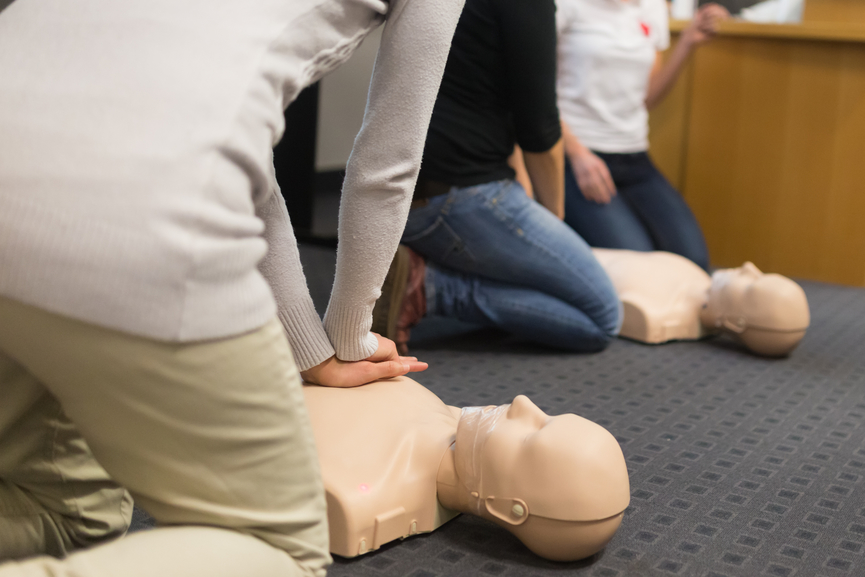
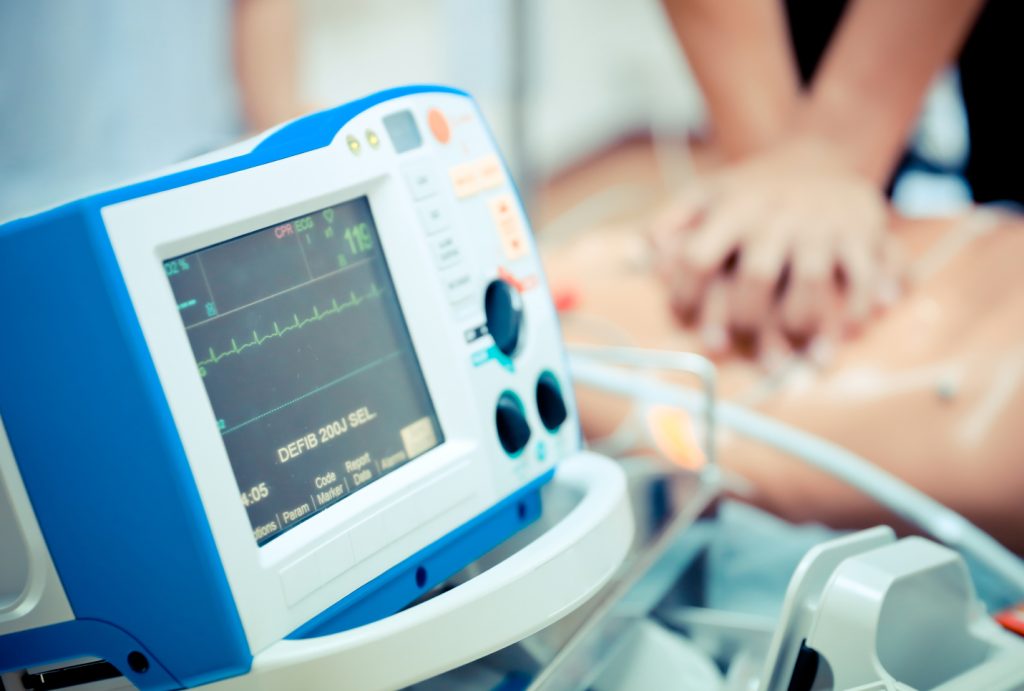
If the individual loses consciousness or stops breathing, CPR may become necessary. CPR keeps oxygenated blood circulating to the brain and organs until emergency responders arrive. Knowing when to perform CPR is essential. If the person is unresponsive, not breathing normally, or only gasping, you should begin chest compressions. The steps involve pushing hard and fast in the center of the chest at a consistent rhythm. If an automated external defibrillator is available, it should be used immediately. AEDs analyze heart rhythm and guide you step by step through the process.
What NOT to Do During a Heart Attack
When providing first aid during a heart attack, certain actions must be avoided. Do not give the person any food or drink, as this may complicate treatment if CPR or surgery becomes necessary. Do not leave them alone, since their condition can deteriorate quickly. Above all, do not wait for symptoms to improve before calling for help. Early medical intervention is the single most important factor in survival.
Recovery and Long-Term Outlook
Recovering from a heart attack begins once medical treatment has restored blood flow and stabilized the patient. Quick action often leads to better long-term outcomes, with many individuals returning to normal life after rehabilitation. However, recovery may involve lifestyle changes, medications, and follow-up appointments to reduce the risk of future events. Understanding the importance of immediate action helps prevent complications and supports a smoother recovery process.
Heart attacks require urgent medical attention, and recognizing the signs early can save a life. Symptoms vary widely, but any persistent chest discomfort should be taken seriously. Understanding how to respond, from calling 911 to knowing CPR, empowers you to act confidently in an emergency. Each minute counts in preserving heart muscle and improving survival. By learning these essential steps, you not only protect yourself but also gain the ability to help others in critical situations.
Conclusion
Heart attacks can last minutes or hours, but the real danger lies in hesitation. Early recognition and immediate action significantly improve survival rates. The more people trained in CPR and emergency response, the stronger and safer our communities become.
Call to Action
Be prepared to save a life—possibly even someone you love. Enroll today in CPR certification in Jacksonville FL or enhance your emergency skills with BLS classes in Jacksonville FL. CPR Jacksonville FL offers stress-free, hands-on American Heart Association training to empower you with the confidence and skills needed in a real emergency.